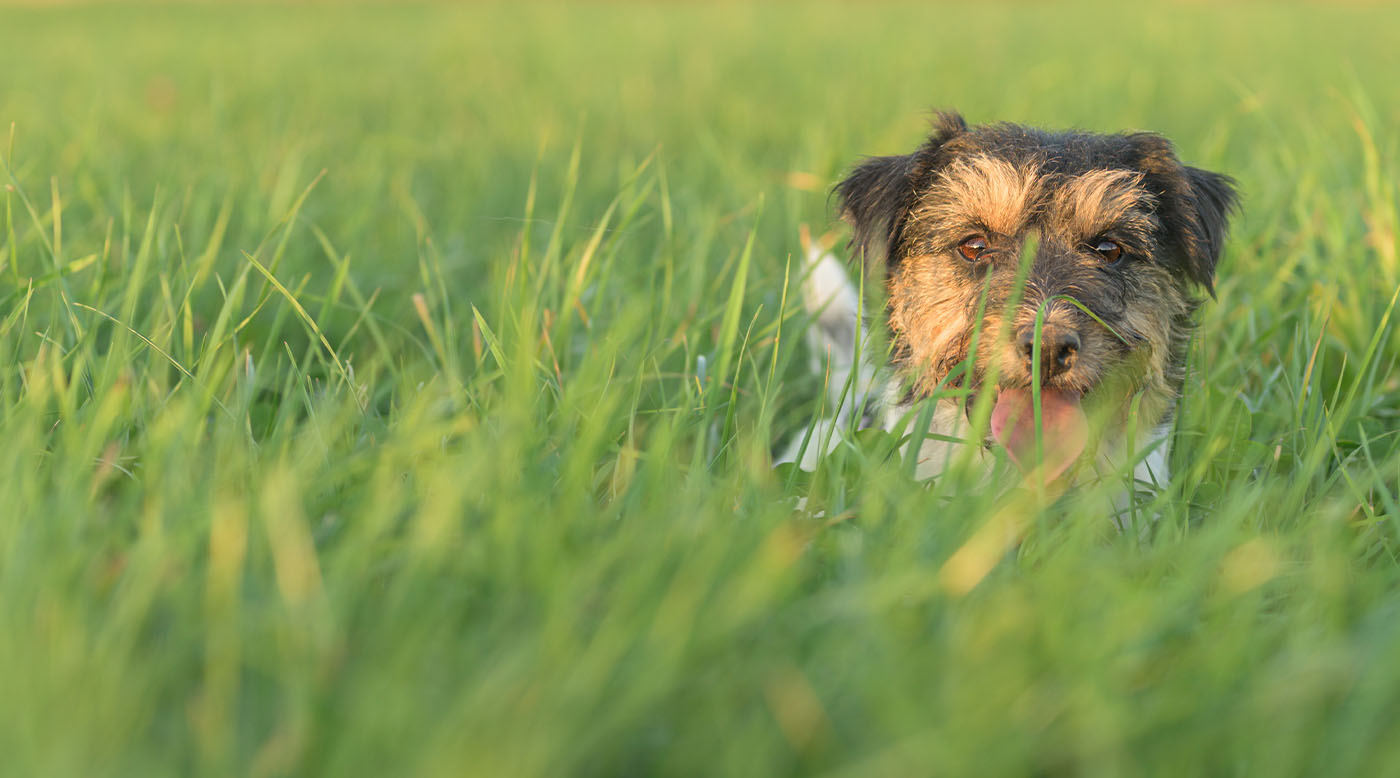

















Spring is dog sports season. Finally, longer runs, more speed, more training, more action. Many dogs truly blossom when the days get longer and exercise becomes fun again. And yet, this phase is sometimes the moment when the body first needs to catch up. Because even if your dog seems full of energy, muscles, tendons, and joints were often less challenged in the winter months than in spring.
In this article, we explain why dog sports in spring particularly challenge muscles and joints, how to recognize that your dog needs more support, and how to dose training so that it feels good. We also look at how a physio set for dogs can fit into your routine as a complementary building block, without you having to turn it into a strict program.
Why spring is a transitional phase for the musculoskeletal system
In winter, movement for many automatically becomes more uniform, often less intense. In spring, the opposite often happens. Suddenly there are more sprints, more quick changes of direction, more jumps, more play, and more training sessions. This is great, but it can overwhelm the body if the stabilizing muscles haven't been rebuilt yet. Movement is not the problem, but the sudden jump in intensity.
Then there's the ground. Meadows, forest floor, sand, mud, uneven paths. This challenges the small stabilizing muscles around joints much more than a firm path. This is generally good, but only if done in moderation. So spring is not just more movement, but also more demanding movement.
How to recognize that training is currently too much
Not every dog immediately shows overload as a clear limp. Often, they are subtle signals that are easily overlooked in everyday life because they seem so normal. Especially in spring, a keen eye is worthwhile because the load increases quickly. If you recognize the small clues early, you can gently counteract before a training high becomes a real problem.
A typical sign is stiffness. Your dog gets up more slowly after lying down, stretches longer, or seems rusty for the first few minutes. This can happen after an unusually intense session. However, if it happens regularly or worsens after training, it's a signal that the body isn't as stable as the mind would like it to be.
The gait also sometimes changes subtly. Shorter steps, less momentum in the hindquarters, hesitant starting, or a dog that becomes more cautious on uneven ground. Some suddenly avoid jumping into the car or onto the couch, even though it was normal before. Others break off play phases more quickly or become unusually quiet. These are often protective reactions. The body says: better not too much today.
Another sign is a dog that, after training, is not pleasantly tired but noticeably listless. Or a dog that repeatedly licks certain areas, such as paws, elbows, knees, or hips. This is not a diagnosis, but it can be an indication that something is bothering them there. If you observe this repeatedly, you should slow down and allow yourselves more breaks.
The limit is important. If your dog is clearly limping, if he doesn't want to put weight on a paw, if pain is visible, or if the discomfort lasts longer than a few days, you should have it checked by a vet to find out what's behind it. Recurring or increasing discomfort does not belong in the category of "it'll go away".
Building up safely: how to strengthen muscles and joints without overexertion
When dog sports start again in spring, the best training plan is often the unspectacular one. Not faster, but smarter dosed. Muscles build up through regularity, joints benefit from controlled stress. And exactly this mixture makes the difference between fit and overwhelmed.
A good start is to slowly increase intensity. Instead of immediately doing long sessions with many sprints, it helps to build up the basics first. More calm trotting, more steady walking, short controlled inclines, breaks in between. If your dog likes to go full throttle, start consciously slowly so that muscles warm up.
The ground also plays a role in dosing. Soft meadows and sand demand much more stability. This is great, but it can also be very strenuous after winter. If you have the feeling that your dog is particularly stiff after meadow rounds, then that is an indication that you should incorporate these stimuli for shorter periods. New stress is good, but the body needs time to process it.
For many dogs, small exercises that don't look like training help. Slowly stepping over curbs instead of jumping. Short stops and starting again. Walking backwards a few steps if your dog can do that relaxed. These mini-movements promote coordination and muscle activation without you immediately needing a sports program. And they fit into every walk, even if you don't have time for exercises right now.
Physio Set for dogs in everyday life: gentle support after sports
If you want to do something good for your dog after training, a gentle physio routine can be a meaningful building block. Not as a substitute for training and not as a treatment, but as a supplement to gently support muscles and mobility in everyday life. Many dogs benefit if they don't just switch off after exertion, but are briefly accompanied so that everything can relax again.
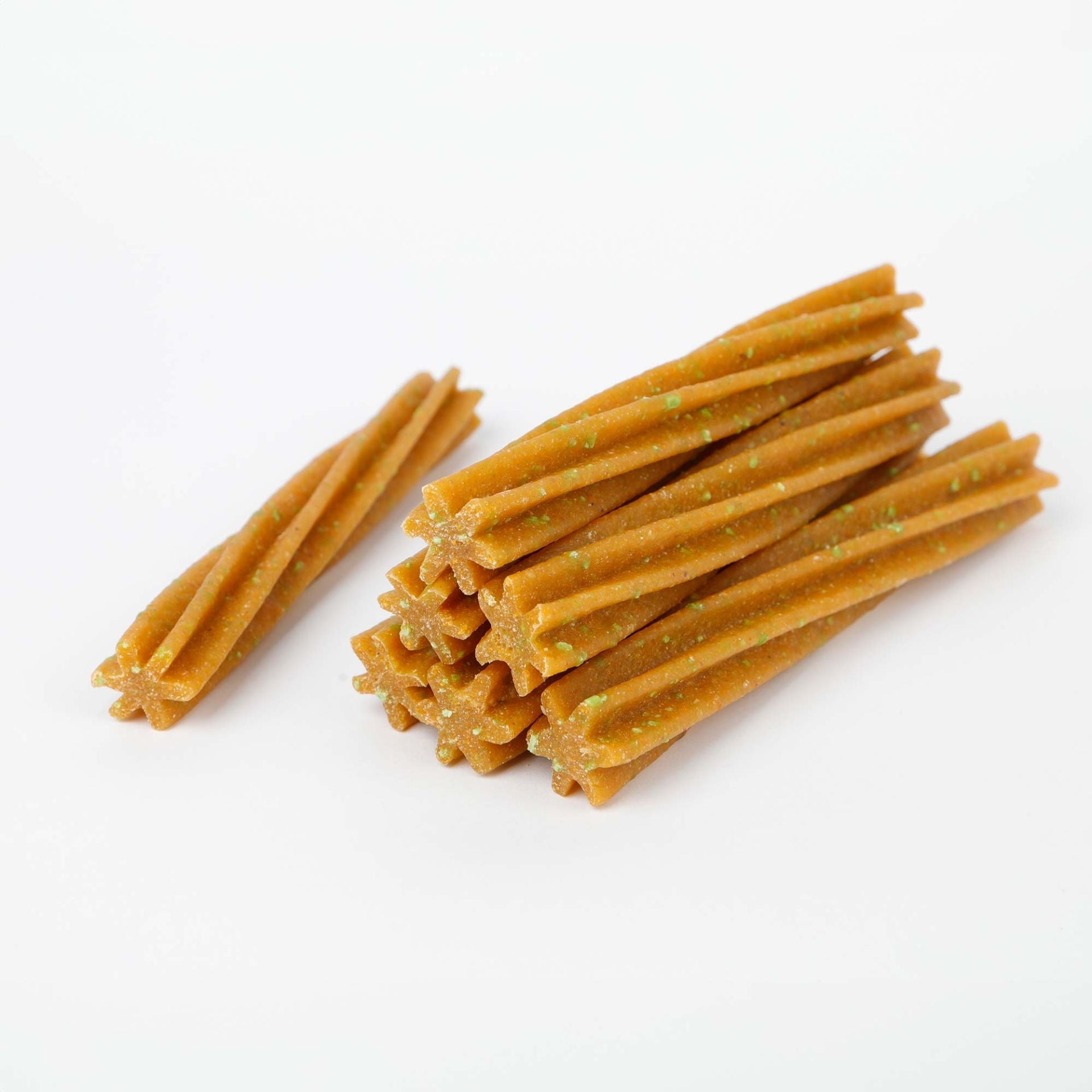
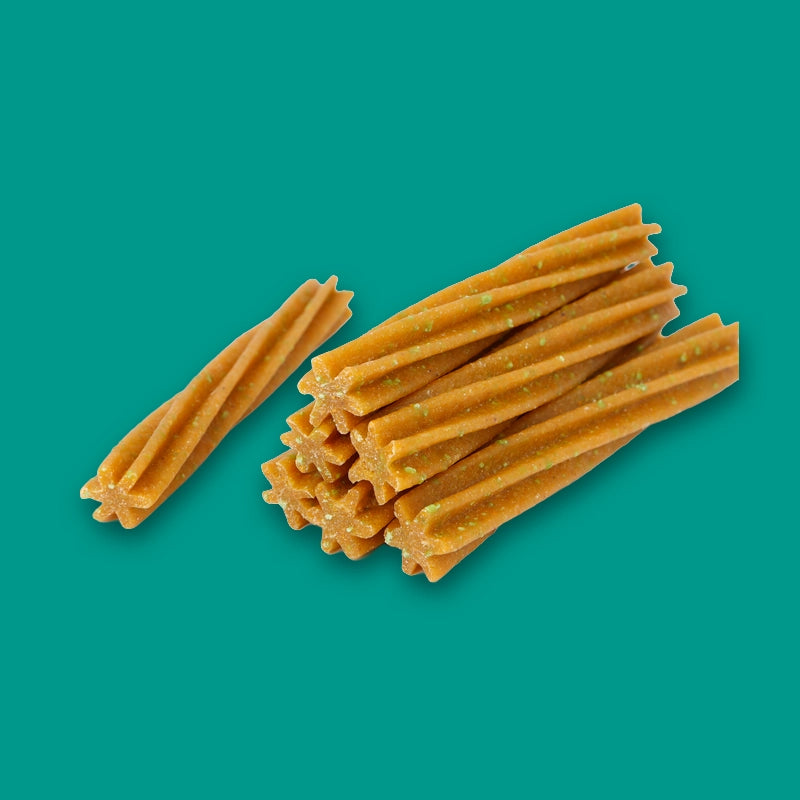
This is exactly where our emmi-pet Physio Set for dogs can be practical, because it gives you a clear routine without it becoming complicated. It best fits into quiet moments, for example in the evening after sports or on days when you consciously plan something a little gentler. It is always important that your dog remains relaxed. If he evades, becomes restless or doesn't like it, it's not a "push through" moment. Then shorter, gentler or a different spot is better.
A good rule of thumb is: start where your dog already finds touch pleasant, for example on the back or thighs. Work in short sequences, rather regularly than long. A routine is good if your dog seems softer afterwards, not if he tolerates it. That is the difference between support and stress.
As helpful as supplementary physio routines can be, they have limits. Our emmi-pet Physio Set for dogs cannot replace training and it cannot eliminate causes if a dog has pain or a serious musculoskeletal problem. If your dog regularly limps, shows clear signs of pain or suddenly can no longer tolerate exertion, this should be clarified by a vet or professional physiotherapy.
So that dog sports in spring are fun and don't become a problem
Dog sports should bring joy. And that's precisely why it's worthwhile to view spring as a build-up phase. If you slowly increase exertion, consciously dose the types of ground, and pay attention to the small signals, you will sustainably strengthen muscles and joints. Our emmi-pet Physio Set for dogs can be a practical companion if you want to give your dog a gentle routine after training that fits well into everyday life.
And if you notice that your dog has recurring discomfort, changes significantly, or shows pain, please have it checked out. Better too early than too late, especially when sports are starting again.